LATINX PRIDE AND THE LATINE EXPERIENCE IN IDAHO: WHY “ORGULLO” MATTERS
by Melanie Figueroa Zavala
“Como dice mi mama la gente no nos mantiene, no hay que tener miedo del que dirán.”
– Serafin
ENG: “Like my mom says, people don’t sustain us, there shouldn’t be fear of what they will say.”
Idaho has a proven track record of hostility to queer communities. In this context, Pride is as vital as it is hindered and challenged. For the second time in Idaho history, the Latine community in Boise gathered for LatinX Pride on May 30th to find community and challenge the anti-LGBTQ+ narratives and attitudes that dominate this state and the Latin American community. In honoring the unique “cuir” (queer) Latino identity and challenging the bigotry that faces the queer community in Idaho, Pride is essential to living authentically.
For the Latine community, Pride, or “Orgullo”, can be particularly taboo. Broadly speaking, Latin American societies have a history of homophobia: only becoming more accepting or giving queer identities more public visibility in recent decades. This attitude is a result of colonialism and its strong imposition of religion: factors that continue to affect these communities as homophobia and machismo has been embedded in them. These cultures — communal and familial in nature — are strongly centered around heteronormative family models and tend to reject or overlook whatever might fall outside of or challenge these norms. These are the circumstances in which the Latine/Latinx1 experience exists in Idaho.
For Latines in Idaho, the exploration of the queer identity is yet another hurdle to face as a multicultural person, usually already carrying the burden of socialized “otherness”. These struggles are layered: many face otherness, social and systemic violence from existing as a person of color in Idaho, existing as a queer person in Idaho, and from existing as a queer person in a Latin American family. There are dense and vulnerable conversations to be had here: immigration status; cultural assimilation; the sense of belonging; family pressures and expectations; cultural connection — to name a few. Each person’s experience is unique to them in figuring out what it means to be queer and Latino across communities that oftentimes feel so unaccepting.
In this context, LatinX Pride is a vital breath of fresh air that provides a space for community, care, and acceptance of all the facets of the Latino queer identity. The event was impactful, with event attendees speaking to the significance of celebrating LatinX Pride, and sharing how it matters to have a safe space to show all of themselves, and where both culture and queerness come together to be celebrated.
LatinX Pride showcased dance and drag performances that culturally represented diverse Latin American communities. Attendee and performer Brujo del Rey Zodiac shared that it filled his heart with love.
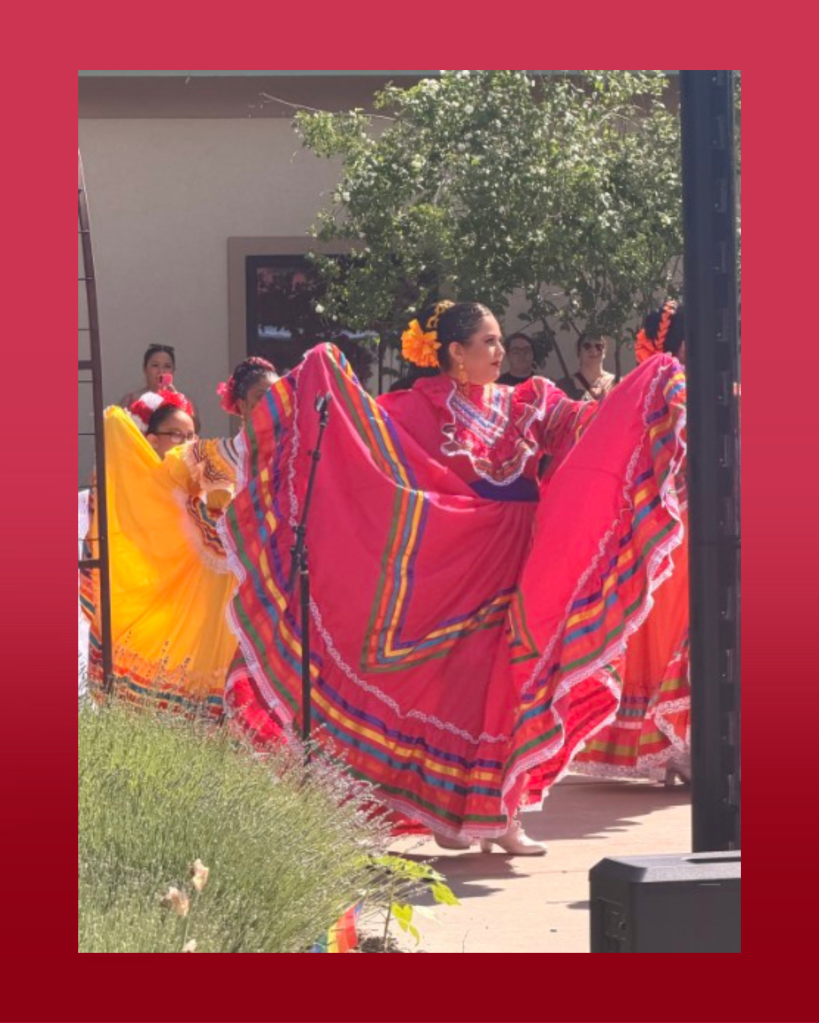
“Your community is so much bigger than you think, and you can work yourself up to 100 on how comfortable you feel with yourself. It doesn’t always need to be a hundred it just needs to honor you.”
– Libna
“Such an event means so much; to be able to see so many people and be filled with community,” Brujo said.
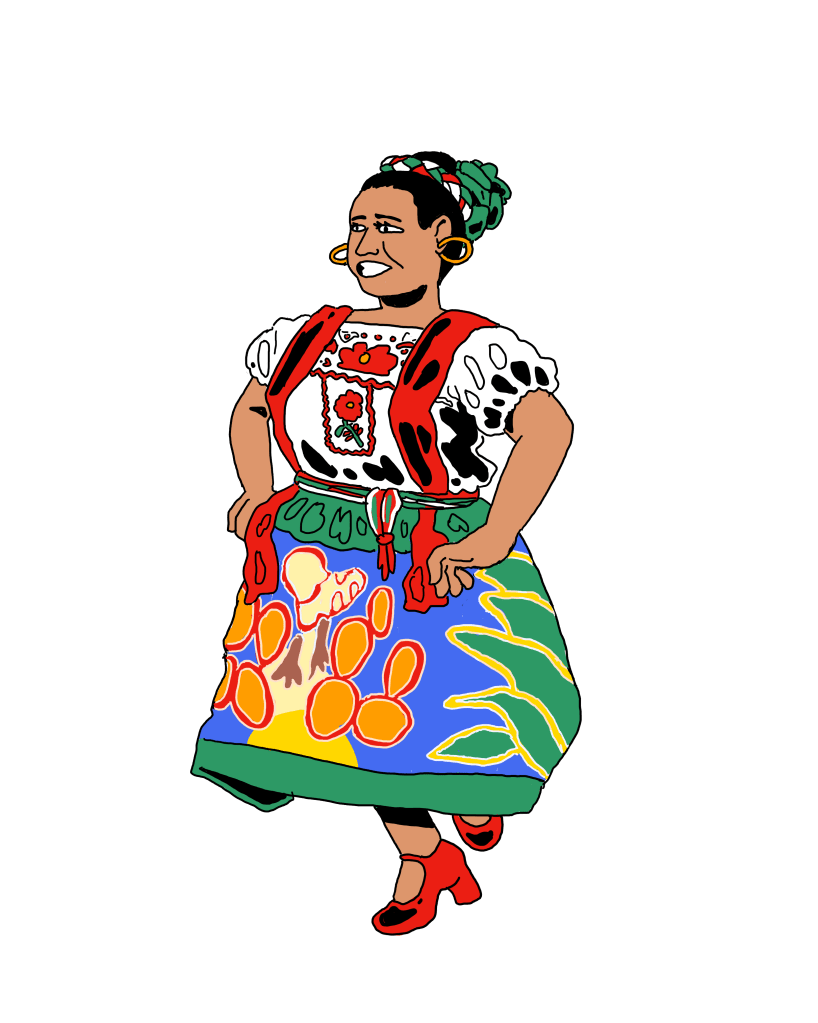
When asked why “Orgullo” matters, attendees shared that celebrating LatinX Pride in Idaho is a privilege, and how being able to show up authentically in intersecting identities is something past generations did not have and had to fight for.
“Orgullo means encontrar paz y amor (peace and love),” shared LatinX Pride attendee Serafin. “This could be felt anywhere you walked, in anyone you talked to.”
In a state where LGBTQ+ and immigrant communities are facing increasing scrutiny — and where the Latine person finds themselves uniquely targeted at this intersection — LatinX Pride stands as an event that directly challenges these harms; allowing these communities to focus on the beauty that is found in “amor” (love), “danza” (dance), and “sazón” (seasoning).
- these terms can be used interchangeably and I particularly choose to use “Latine” as it is more culturally prominent in Spanish-speaking circles and the grammatically accurate term that adopts a non-gendered marker. That being said, use whatever term feels more true and comfortable for you. ↩︎
 Red Loam Magazine