POC queer media recs for Pride
by Jodie Schwicht
Happy Pride! ‘Tis the season to celebrate the accomplishments and culture of the LGBTQ+ community, as well as its hard-fought battles for visibility and acceptance.
Visibility in and of itself is the crux: alongside being physically seen, the term refers to the ability of someone or something to be understood and represented. In the context of visibility in media; when queer people demand visibility, they aren’t just seeking cheap, virtue-signaling entertainment value: most are searching for normalization of their own lives, as well as the opportunity to help others understand their walk of life who might not otherwise want or know how to engage with diverse perspectives.
For queer people of color, an added layer of identity struggle is usually present. Far too often, these community members are left to the wayside, or simply not prioritized in conversations surrounding LGBTQ+ representation and visibility in media. Reflected in the non-profit LGBTQ+ advocacy group GLAAD’s 2024 Studio Responsibility Index, out of 256 films released theatrically and direct-to-streaming by ten distributors counted in its study group, 70 feature LGBTQ characters (27.3%).
This number further diminishes when counting characters of color: of the 170 LGBTQ characters the study sampled, 78 are characters of color (46%); out of all the LBGTQ characters, 88 are white (52%), 29 are Black (17%), 14 are Latine (8%), 14 are Asian/Pacific Islander (8%), 17 are multiracial (10%), four are Middle-Eastern/North African (2%), and none are Indigenous.
In light of this, we here at Red Loam are highlighting a few classic queer films centering non-white characters and audiences at their core.
Watermelon Woman (1996)
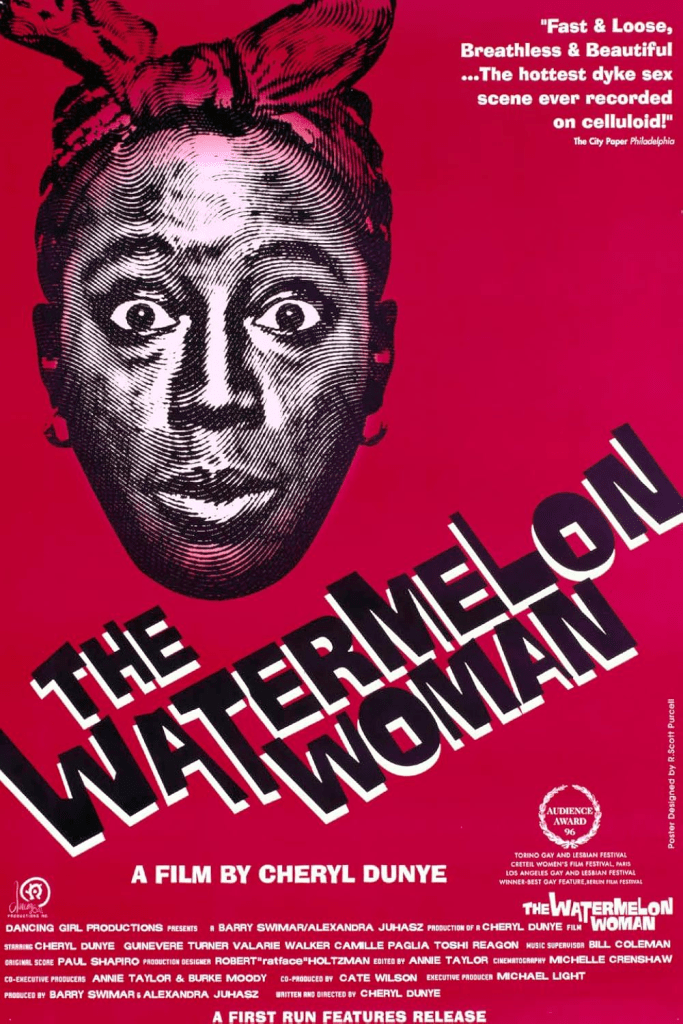
“The Watermelon Woman” is a romantic-comedy-drama which follows protagonist Cheryl: a 25 year-old African-American lesbian working at a video rental store in Philadelphia, PA. Cheryl holds an interest in films featuring Black actresses from the 1930s and 1940s — a time where Black actresses often went without credit for their roles and work. After watching a film where a Black actress is credited only as “The Watermelon Woman”, Cheryl sets out to make a documentary film following her own quest to uncover the actress’ true name and identity.
“The Watermelon Woman” drew and continues to command attention as the first feature film directed by a Black lesbian, and in 2021, was selected for preservation in the United States National Film Registry by the Library of Congress for cultural, historical, and aesthetic significance. Director Cheryl Dunye tactfully handles heavier themes of racial stereotyping without ever fully departing from the comedic tone of the broader work — an accomplishment that is not only difficult to do irrespective of race, but is especially relieving given the tendency of Black-centered stories to lean into heavier and traumatic narratives.
Bottoms (2023)
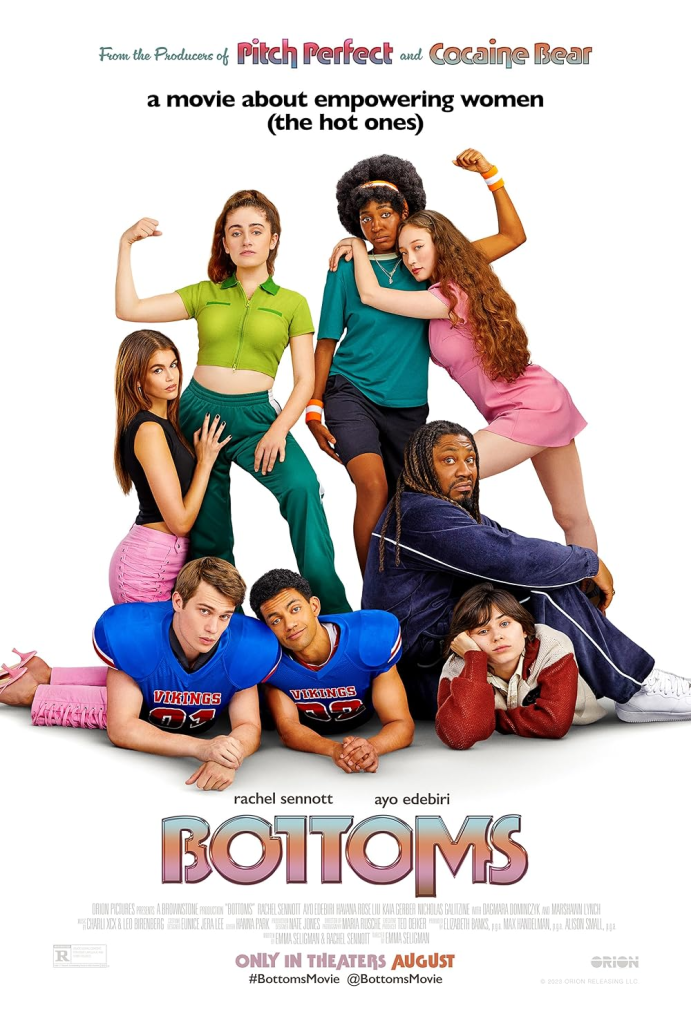
“Bottoms” is a satirical dark-comedy romcom that took the world by storm at its release just three years ago, and has cemented its place as a gay fan-favorite since. The story follows best friends PJ and Josie, played respectively by actresses Rachel Sennott and Ayo Edibri, as they navigate high school drama and delinquency; with the two ultimately opting to start a fight club to hook up with their crushes on the cheer team.
With a buddy comedy style plot more often seen in Adam Sandler-esque bachelor escapade movies from the early 2000s, “Bottoms” effectively flips the “sapphic yearning” stereotype on its head; opting for an unabashed, high-energy tone that is amplified by its stacked and diverse cast of actors. The film and its humor truly feel like a novel inside joke, centering queer audiences as its target demographic of appeal.
Moonlight (2016)
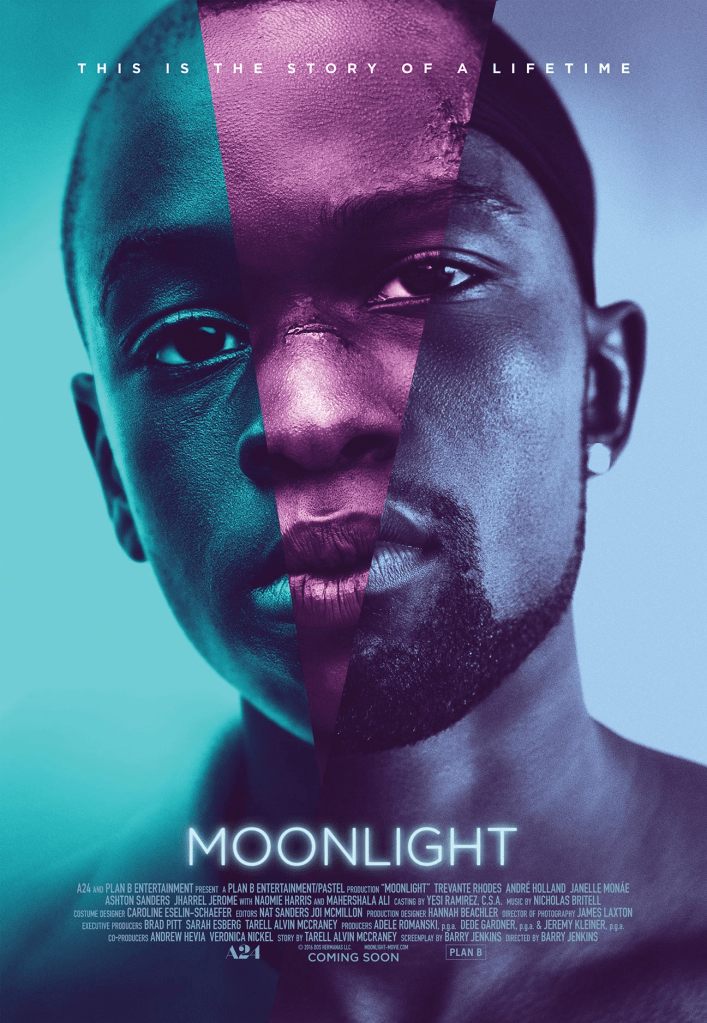
“Moonlight” is a coming-of-age drama that follows Chiron, a boy living in Miami in the midst of the American crack epidemic of the 1980s and early 1990s. The story is told in chapters consisting of his childhood, adolescence, and later adulthood.
As the description so far might suggest, “Moonlight” is a heavier watch, painstakingly but articulately navigating serious subjects, predominantly; the themes of Black masculinity and homophobia within the African-American community. The film has been critically hailed as one of the best films of the 2010s and 21st century, winning numerous awards, and becoming the first mass-marketed, queer-themed feature film with an all-Black cast.
Badhaai Do (2022)
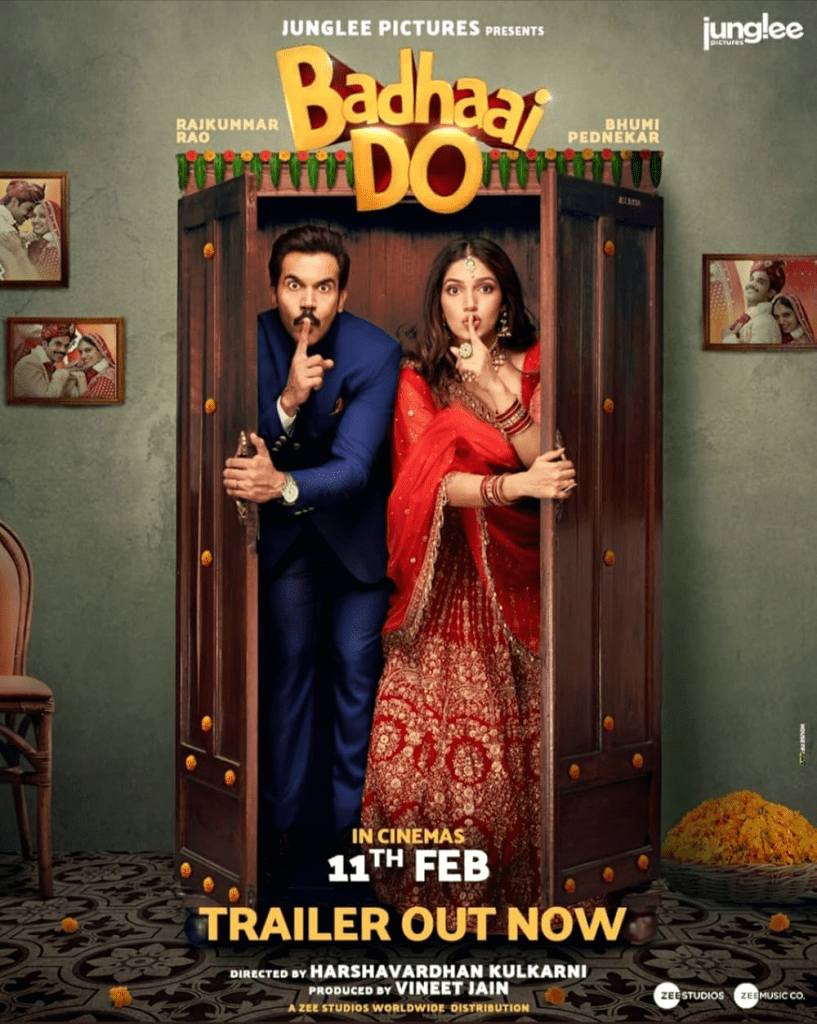
“Badhaai Do” is a Hindi comedy-drama set in India whose plot revolves around a couple in a lavender marriage and their struggles with familial acceptance, cultural pressures, and their own respective queer relationships.
While the film itself was a commercial flop, it gained widespread acclaim and several awards, with critics commending its bravery and navigation of the sticky subject of queer identity in an ethnic and traditionalist society; provoking serious reflection between LGBTQ and straight audiences alike on the struggles queer people face in parts of the world where laws inhibit their ability to live normally — all the while remaining light-hearted and funny.
 Red Loam Magazine