FROM BASEMENT FLOORS TO PRIDE IN THE STREETS: THE EVOLUTION OF EDM
by Ani Carnell
whether you are into electronic dance music (EDM) or not, you have most likely come across a song playing on the radio by an artist who has been inspired by the structures of EDM music. For example, the highest-rated album of 2024, Brat by Charli XCX, launched the star into top charts and festivals after being nominated for Grammy Album of the Year and winning Best Dance/Electronic Album — leaving a mark on current pop culture, album marketing strategies, and even making its way up to Kamala Harris 2024 presidential campaign. These are just a few of many examples of how EDM music has heavily influenced genres outside of pop, including hip-hop, rock, and even country. Many artists even seek collaborations and remixes with DJs to provide a different atmosphere for fans who may strive for a more upbeat, dancey experience.
As EDM becomes more popular and recognizable across genres — influencing charts, festivals, artist growth, and infiltrating the modern music scene — the stories and faces of its true originators are being left out of mainstream narratives and headlines. Credit must be given to the queer and Black origins of the genre, and the cultural significance of safe spaces for groups who face discrimination to express themselves authentically. During times of violence, financial instability, and cultural conflicts, the queer/BIPOC community continues to come together to curate their own spaces where they can create, freely express themselves, find joy, and move off the rhythmic bounce of vibrational energy that is not only produced by the DJ but also by one another on the dance floor — literally “exercising” joy as resistance.
The Death of Disco
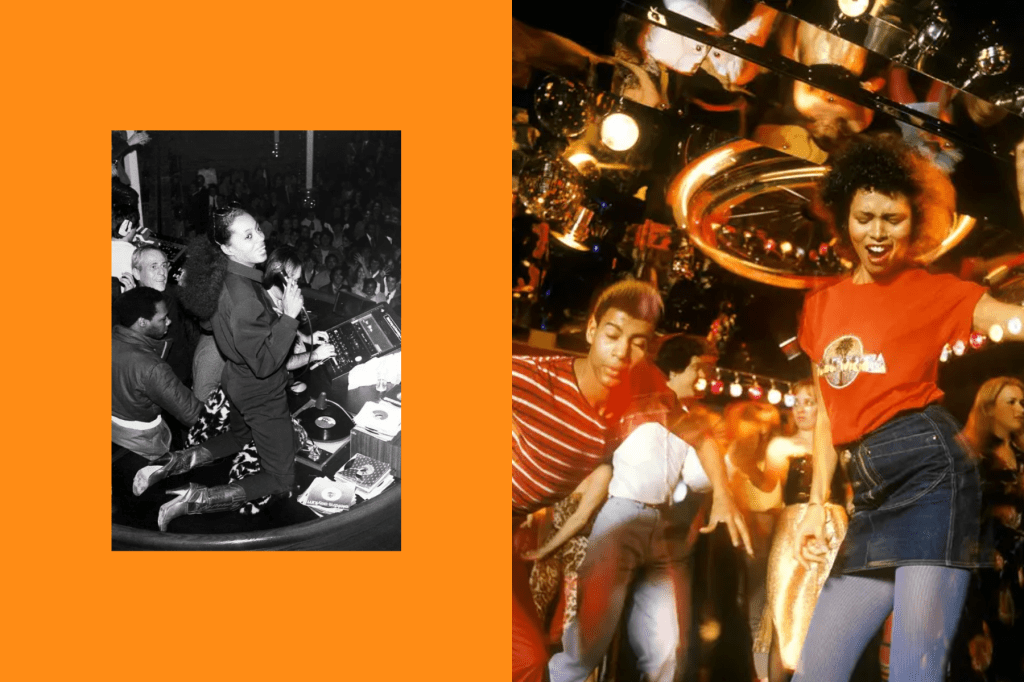
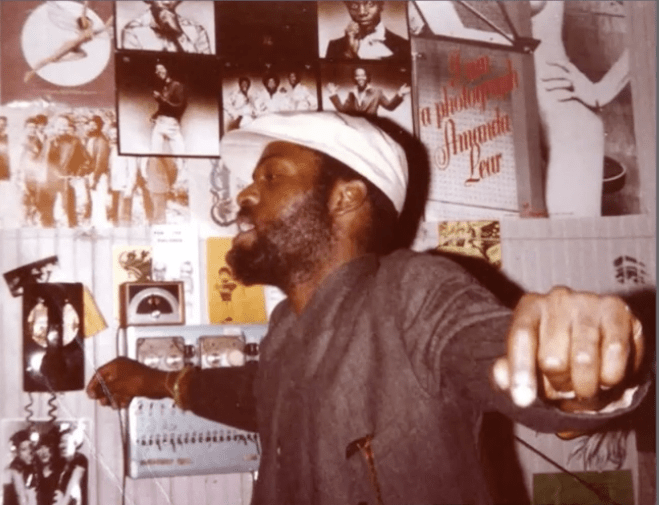
PHOTOS BY Diane Alexander White (left) AND Jack Lenahan (right).
Before EDM, disco became very popular throughout the 1970s: one of the worst financial times since the Great Depression. Disco was another genre that was originally dominated by Black artists and was heavily liberating for queer and BIPOC folks, as same-sex dancing had just become legal in 1971 in New York City. While disco clubs mainly started underground, it wasn’t too long after that that disco started to hit the mainstream in the late 70s. Although the release of the hit film Saturday Night Fever helped disco break into the mainstream, the film augmented the career of the Bee Gees, rather than the Black founders of the genre. Many record labels and white artists at the time started to recognize the hype and popularity behind disco, latching on to the genre and adding “disco single” on the front of many records indiscriminately. Quickly, the sound of disco became commercialized and soulless.
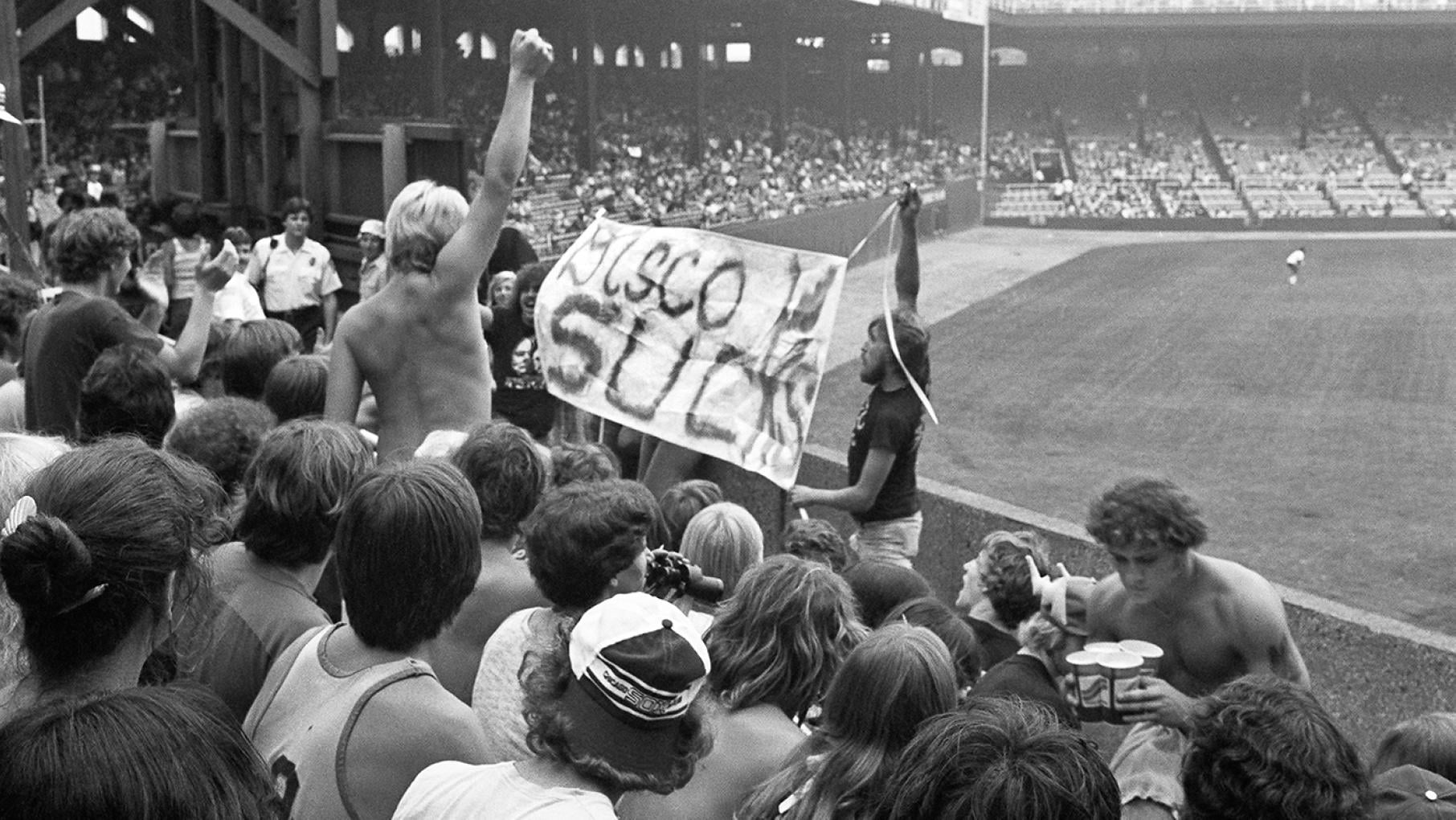
At this point, a “disco sucks” movement started as groups pointed fingers at each other: one side blaming the mainstream for the commercialization of the genre, while the other side advocated that the rock genre should be taking up more space in the industry — that disco was too “provocative”, “bold”, or “homoerotic” to take up the center stage in the music industry. Backlash stirred from predominantly religious and white groups who were uncomfortable with the topics expressed by Black and LGBTQ+ disco artists, as disco music and clubs often served as hubs for Black and LGBTQ+ liberation. Soon, the anti-disco movement seemed to serve as an “anti-Black” and “anti-gay” agenda.
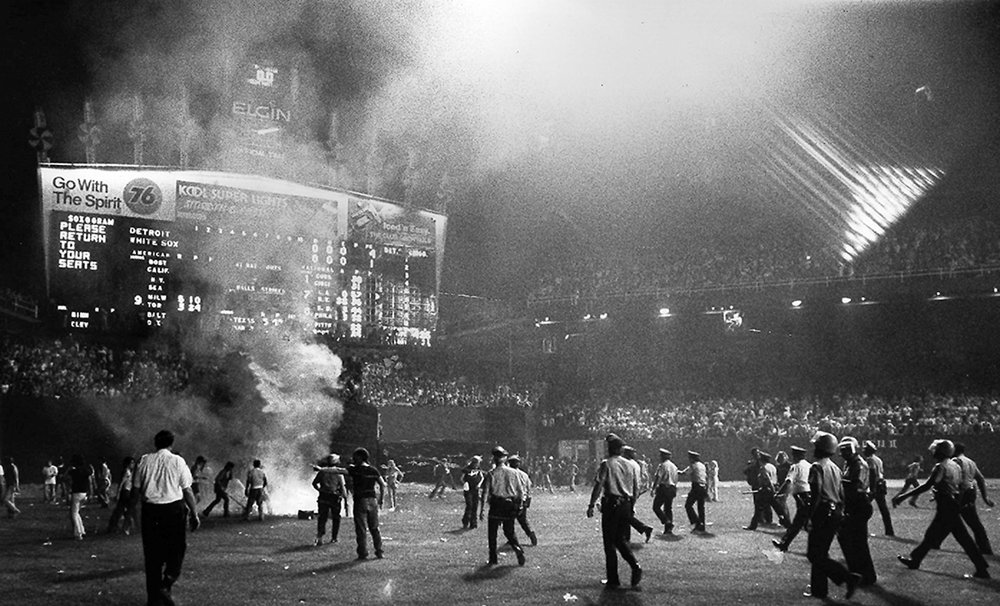
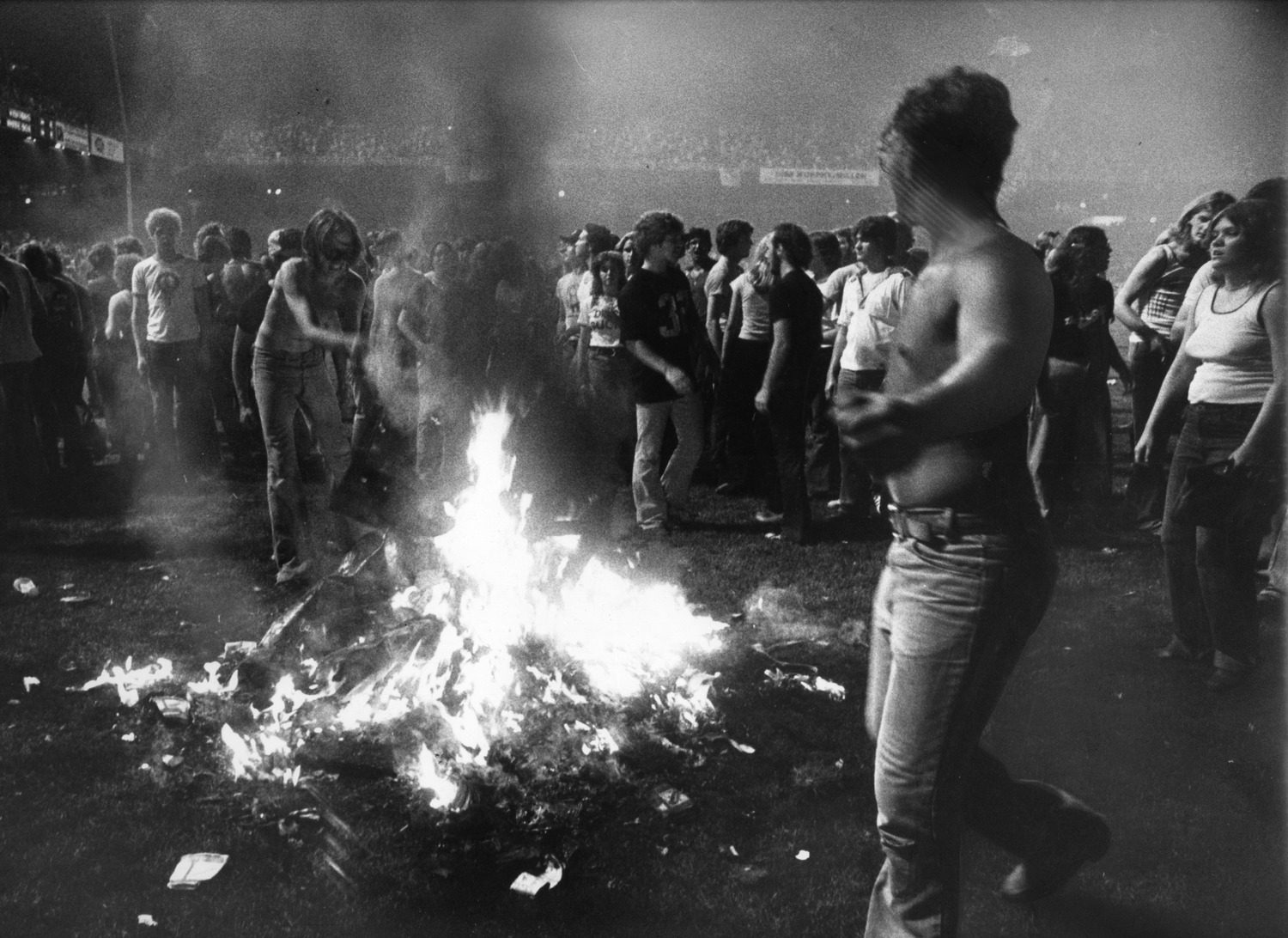
One of the turning points during disco’s downfall was on July 12, 1979 at Comiskey Park baseball stadium in Chicago, after radio personality Steve Dahl was let go from his position after his work transitioned from a rock format to disco. Dahl hosted a “disco-demolition” at the baseball game, where disco records were put into a box on the field and blown up. Over 50,000 people attended — mind you, that’s over double the usual capacity of folks who would attend baseball games at the time. Although they deemed this event to be anti-disco, it was primarily records by Black artists that were destroyed, with many of them not even being disco related.
After the Disco Demolition night, there was a cultural shift in the scene. The genre maintained presence, but lost its popularity as record companies began to label new disco drops as “dance music”. A new anger and mainstream distaste towards disco emerged, creating an “us versus them” sentiment. This pushed the Black and LGBTQ+ communities further underground to spaces where there wouldn’t be any limitations on expression, needing of filters, code-switching, or fear of being judged or attacked for simply existing and showing up as themselves.
The Birth of House Music
On top of facing everyday discrimination in the 1980s, marginalized folks still had to navigate living through a deep recession, high unemployment, and a lack of social services from the right-wing policies of the British and American governments at the time. Music has always served as a reflection of culture: whether it’s been for storytelling, documentation, celebration, or resistance. Black and queer communities still yearned for connection and an escape to get through these hard times, so they made their own spaces underground and out of the way of a scrutinizing world. This is when house music was born.
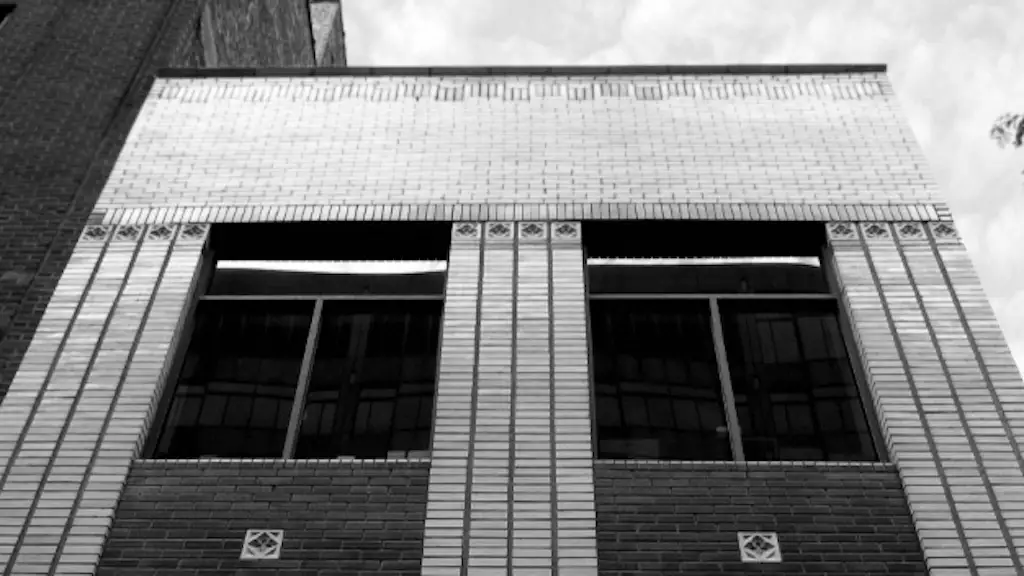
House music is one of EDM’s first subgenres. It’s notable for its four-on-the-floor beats — a direct offshoot from disco — and its mix of heavy bass loops synthesized with sonic elements.
The word “house” comes from the word “warehouse”. The Warehouse was an underground members-only club in Chicago where DJ Frankie Knuckles introduced other Black gay men and different marginalized groups, who gathered to experience the new bouncy type of sound that Frankie Knuckles mixed: intertwining disco beats with soul music. At the time, there was no other sound like it.
As Frankie Knuckles’ career grew, house music started to spread throughout cities and clubs across the country. Black women and gay men played a crucial role in elevating house music and bringing music and people together. Other notable DJs of this time include Larry Levan, DJ Ron Hardy, Stacy “Hotwaxx” Hale, Ultra Naté, and Cece Peniston.
These DJs created spaces where people felt liberated not only socially, but also physically. Many studies affirm that music is good for the mind, as it activates certain brain regions and eases the central nervous system. Similar effects take place when it comes to dancing; sound is vibrational, and so is music. Dancing along to the same vibrations creates a sense of community where people feel connected — not just through the beats, but also through the shared relief of not having to diminish or hide parts of yourself that society’s norms might deem unacceptable. In these spaces, people are able to let go and come as they are.
EDM today
In modern day these music scenes have seen more recognition and acceptance, yet many BIPOC and queer artists struggle to break into this genre that their predecessors have set. So next time you see or hear your favorite EDM artists, make sure to remember the true origins and history of how and why EDM came about. Some current LGBTQ+ and Black EDM artists to check out include Kaytranada, Honey Dijon, FKA twigs, LSDXOXO, SOPHIE, Shygirl, and Channel Trees. Members of our own community here in Boise are rising stars themselves, including DJs Joshua Emara, Black Velvet, and Kg.lin.
Once, our communities felt the need to hide away to feel safe and exist authentically. Now, our identities are becoming more recognized and celebrated across the board, including with pride parades and other community-centered events. Despite pushback from haters, the BIPOC and LGBTQ+ community stands proud and comes together to celebrate love, culture, and identity.
As we celebrate this Pride Month, we reflect on the importance of understanding how far we’ve come to get to where we are today, while simultaneously creating inclusive, safe spaces for all, and continuing to find joy — even when times are rough.
That being said… let’s dance! Happy Pride!
 Red Loam Magazine