CELEBRATING JUNETEENTH: BOISE BLACK COMMUNITY’S PROGRESS AND PATHWAY TOWARDS LIBERATION
by Ani Carnell
The Black community in Idaho is small, but present and resilient. As the U.S Census Bureau reports, less than 2% of the population in Idaho is Black. Community members continue to show up, show out, and create spaces and resources to support one another in a state that is not only predominantly white but that has a long, dark history of white supremacy. Whether it’s been college students organizing clubs on campus and speaking up against hate, community members taking up space in our legislature and advocacy roles, or immigrants starting their own local businesses, the Black community in Idaho is very much proud and present.
As Juneteenth rolls around, we celebrate the pathway and progress towards Black liberation. It is important to be intentional about building third spaces for everyone, especially Black folks in Idaho. Club Community is a new space located in Boise that provides a welcoming space for Black businesses and organizers to occupy.
Juneteenth: Meaning and Manifestation
Juneteenth recognizes the emancipation of enslaved Africans, but the celebration of this holiday goes deeper and stretches across the Black and African diaspora inside and outside of the United States. For many, Juneteenth serves as a reminder of what our ancestors had to endure and overcome, while also serving as a reminder of what our community has achieved: celebrating the many accomplishments and innovations that have been made by Black people living in the US.
Club Community
Club Community is located on the side building of Cut-N-Up & Co., a hair salon off of Ustick Road that specializes in textured hair. Both were founded by Shari Baber, who opened Boise’s first Black-owned hair salon in 1995 after she realized there were limited spaces that specialized in Black hair care in the area. She is also the CEO of Boise’s Soul Food Festival and Brown Like Me — an organization designed to help adoptees tap into culture, connect to the community, and provide white parents a space to learn without any retribution.
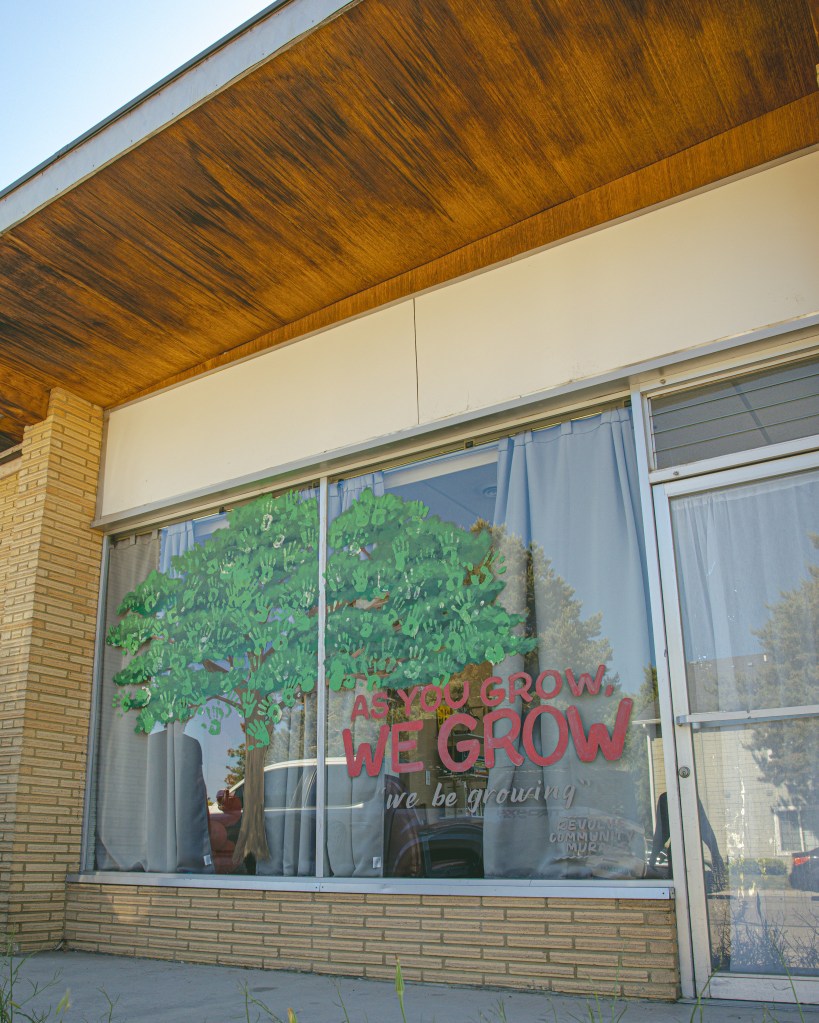
The center is decorated with art, plants, and belongings that have all been brought in by local community members. Posters from organizations hosting upcoming cultural events in Boise hang proudly in its windows, and a hand-painted mural of a tree on its outside wall bears the words, “as you grow, we grow, we be growing.”
Baber describes Club Community as a space “to house small Black businesses, entrepreneurs, and nonprofits who just needed a space to be.” Baber explained the difficulties of originally finding meeting spaces for these groups.
“With Brown Like Me and Soul Food Festival, I was pretty much running Soul Food Festival from my laptop at my house, or we would meet at a meeting room at a restaurant,” Baber said. “For Brown Like Me, we were meeting at different high schools. We just didn’t have a personal home, and sometimes the spaces that we booked would be overbooked or have some kind of conflicting group there who, when all us Black people walk in, you know it’s like ‘oh my God it’s a gang’, you can feel the tension.”
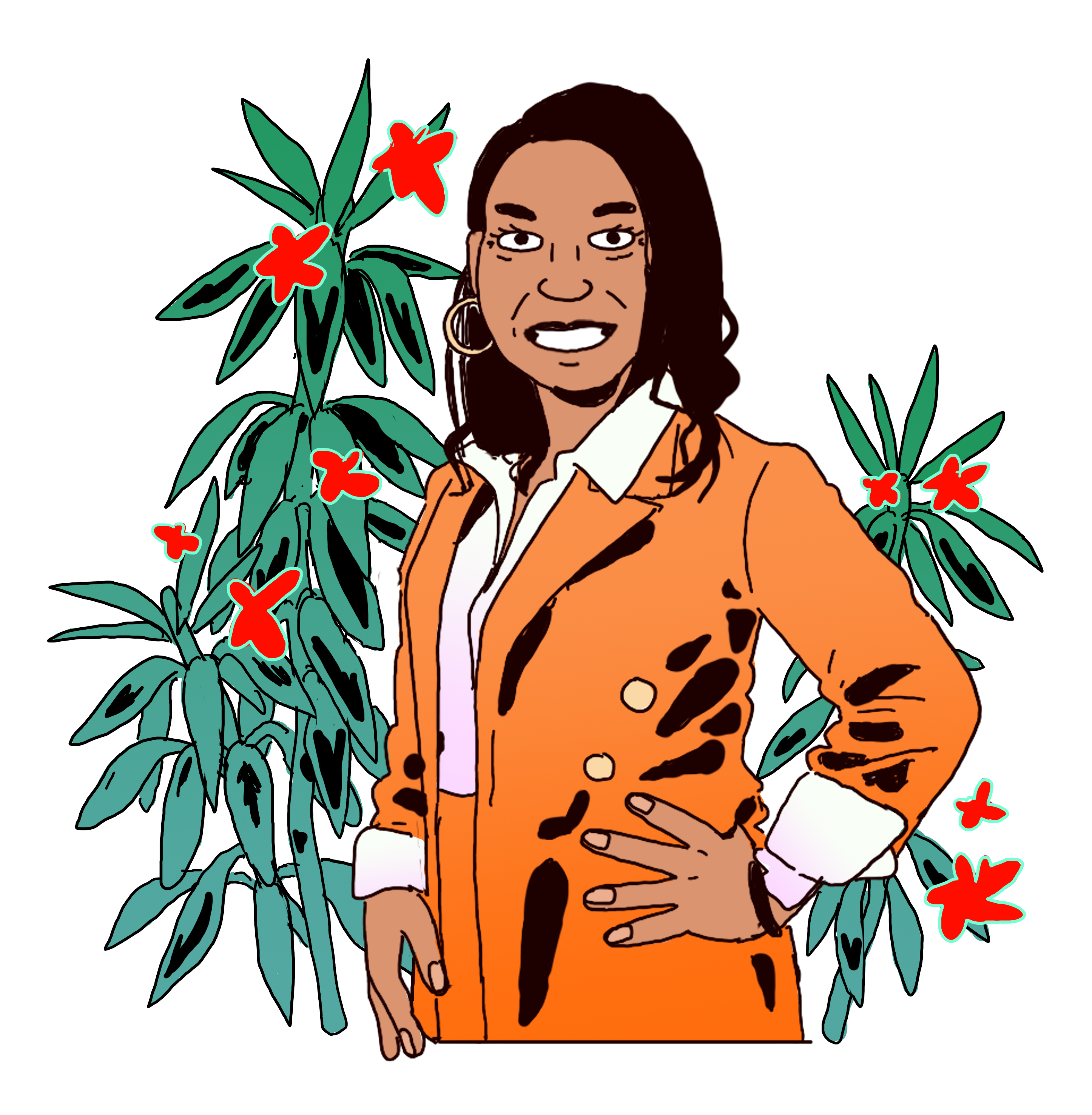
“We’re small but we’re here and making great contributions to this community.”
– Shari baber
With original organizing methods becoming less sustainable, Club Community was created; not just for Black businesses and organizers, but for people who needed a safe and welcoming space to work or meet.
“We’re not just for entrepreneurs and nonprofits,” Baber affirmed. “If you need a place to use wifi and a printer, if you need a place to kind of work on your laptop that’s quiet, and where you feel welcomed.”
Multiple groups have used and occupied the center, including local radio station Tropico FM, which describes itself as a station that “celebrates and uplifts diverse voices through music and meaningful engagement, serving Idaho’s Latin American & BIPOC communities and fostering a stronger, more connected community.”
Club Community Garden Director and Black Liberation Collective program manager Gabby describes the space as a home, “with a revolving door to people that help sustain this place.”
“It only houses the people that help keep it clean and tidy,” Gabby said. “You really earn your support in people showing up here through, literally just the work.
“Black folks are always encouraged and amplified to pitch ideas here and bring things to the table,” they continued. “But Club Community is never going to do the work for you. We’re here and ready to amplify everybody and trouble-shoot ideas, and brainstorm, and dream and imagine and tell everybody that they can do anything they want, but we’re all busy … and that’s how we come together.”
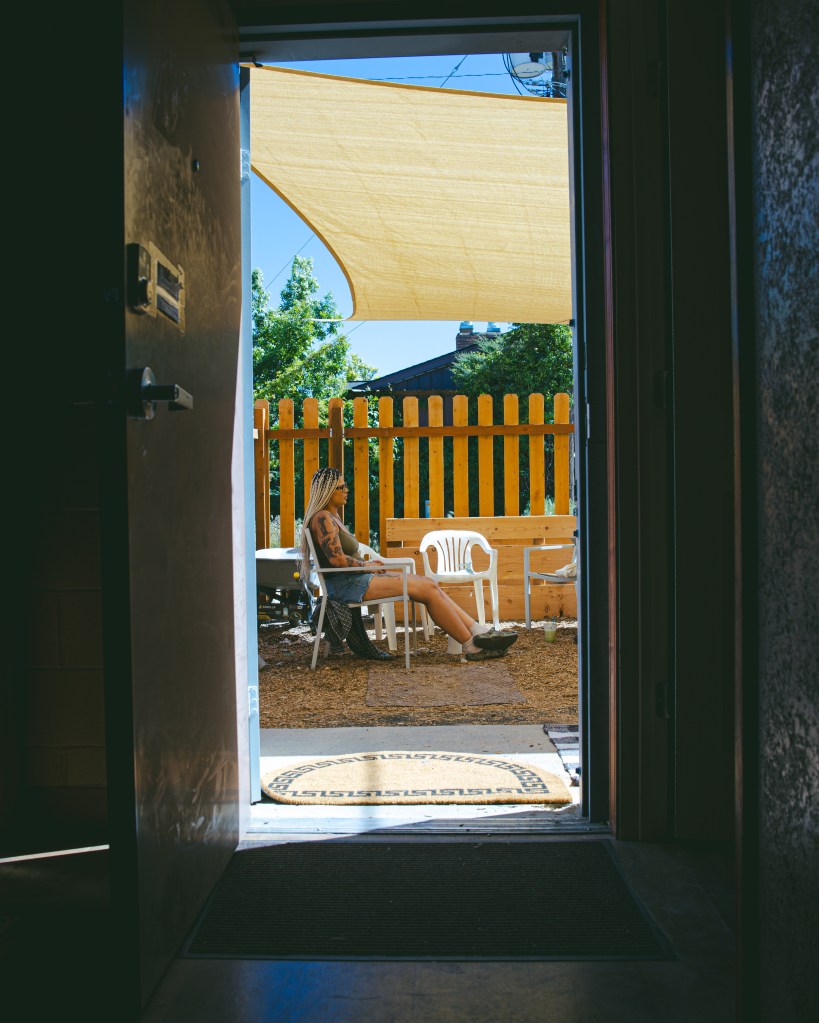
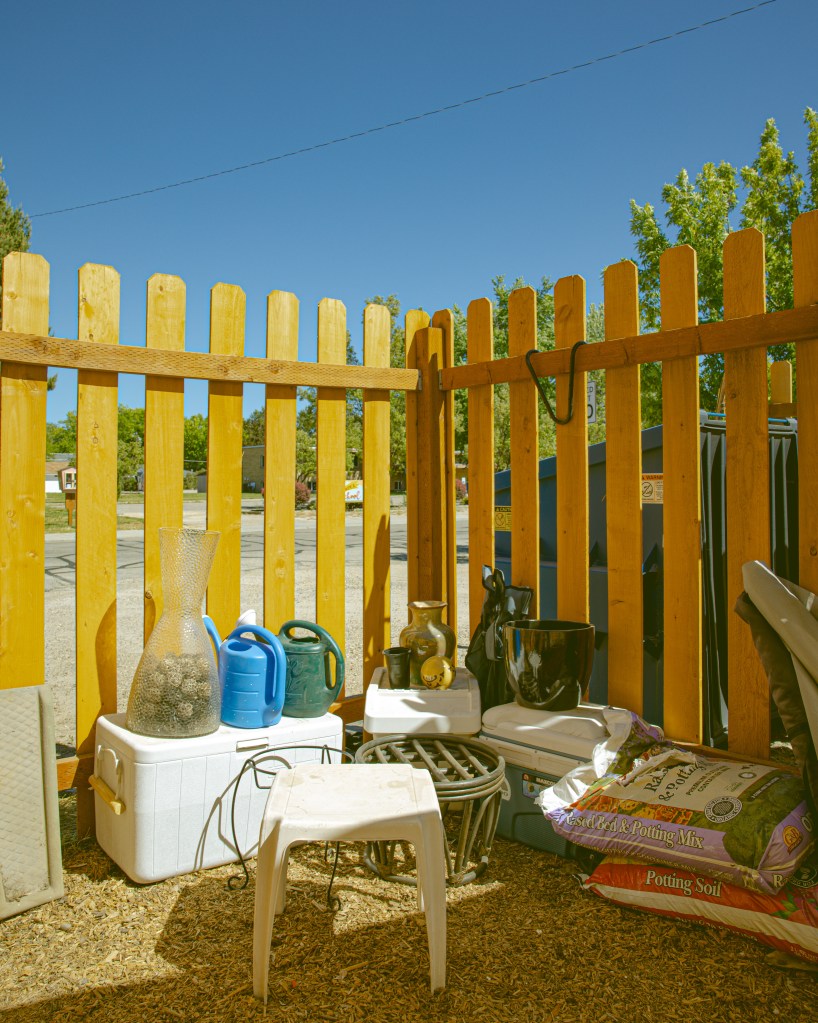

The organizer specified that you do not need a degree or certification to get involved, and that there are “no dumb questions in lieu of how to build things”.
A new garden area is currently being built at Club Community, with Black Liberation Collective planning to use the garden to host workshops curated for queer and trans folks.
Both Gabby and Baber hope that going forward the city’s Black population will receive more respect and that the people who need support can find it consistently, while also being recognized and thanked for their contributions to the community.
“Club Community just serves all kinds of different purposes, and it was [born] out of situations where we couldn’t find a welcoming space,” Baber explained. “We felt like this little corner of a spot is like our home: nobody can kick us out, nobody can give us an eviction notice, nobody can tell us we can’t be here … It’s a space that truly feels like it belongs to the people.”
Proud and Present: Boise’s Black community
Small but mighty, Boise’s Black community is full of undeniable talent, strength, and growth; serving a demographic that isn’t commonly reflected in mainstream narratives, news, or recognized for their outstanding contributions. Those interested can join and support the community in celebrating Juneteenth by checking out these upcoming events:
Brown Like Me Block Party: Saturday, June 13th, 4-8 PM at 6405 W. Ustick Rd, Boise ID 83704
Royal Roots & Runways II: Friday, June 19th, 7 PM at 700 W Main St., Boise ID 83702
More information about these events may be found on Boise Soul Food Festival’s Instagram, @boisesoulfoodfestival.
 Red Loam Magazine